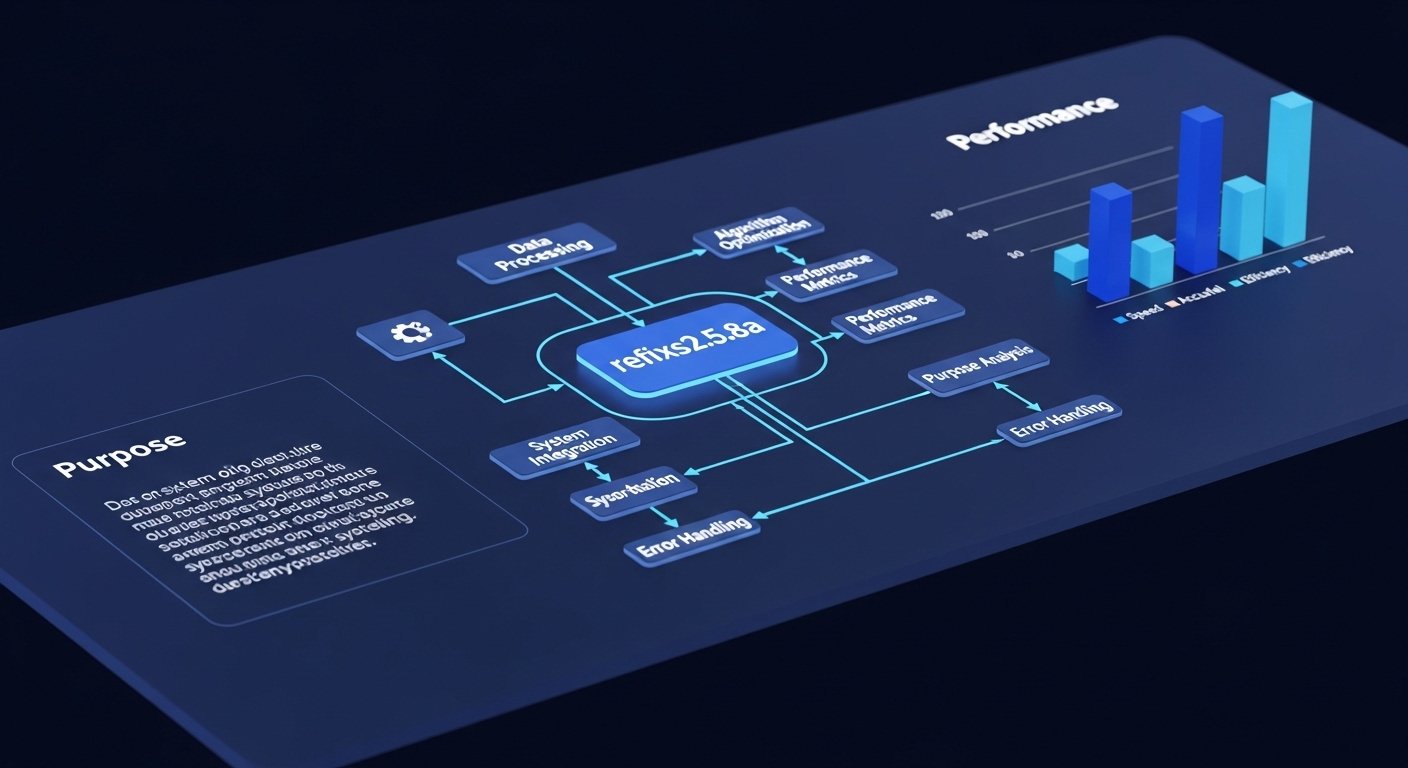

In today’s fast-moving digital environment, version updates often determine how efficiently a system performs, and refixs2.5.8a stands out as a release that prioritizes stability, optimization, and user-focused enhancements. Whether you are a developer, system administrator, or tech enthusiast, understanding what this version offers can help you decide how and when to implement it.
Understanding the Core of refixs2.5.8a
Every software iteration is designed to refine performance, resolve persistent bugs, and introduce improvements that align with evolving user demands. refixs2.5.8a is not merely a minor patch; it represents a structured update aimed at tightening system architecture and eliminating inefficiencies that may have existed in earlier builds.
One of the primary strengths of refixs2.5.8a lies in its balanced optimization strategy. Instead of introducing unnecessary features, it focuses on refining core functionalities. This ensures that performance gains are measurable and meaningful, rather than cosmetic.
Performance Improvements That Matter
Optimized Processing Speed
A notable improvement in refixs2.5.8a is enhanced processing efficiency. System operations execute more smoothly, reducing latency in environments where speed is critical. For users running resource-intensive applications, this update contributes to better workload distribution and fewer slowdowns.
Reduced Memory Consumption
Memory leaks and excessive RAM usage can destabilize even powerful systems. refixs2.5.8a addresses these concerns by streamlining background processes and improving memory handling protocols. As a result, users may notice better multitasking capabilities and fewer unexpected interruptions.
Stability Enhancements
System crashes and unresponsive modules are often tied to compatibility issues. refixs2.5.8a includes structural refinements that reinforce stability across different configurations. These improvements are particularly valuable in enterprise settings where downtime directly impacts productivity.
Security Refinements and Risk Management
Security remains a non-negotiable priority in modern software development. refixs2.5.8a introduces reinforced validation checks and tighter permission handling mechanisms. These updates reduce vulnerabilities that could otherwise expose systems to exploitation.
Improved encryption processes also play a role in protecting data integrity. While users may not visibly see these enhancements, their presence strengthens overall system resilience.
In environments where compliance and data protection are critical, implementing refixs2.5.8a can help maintain operational security standards without requiring complex configuration changes.
Compatibility and Integration
Cross-Platform Adaptability
One challenge with updates is maintaining compatibility with existing systems. refixs2.5.8a is structured to integrate smoothly with commonly used frameworks and operating environments. This reduces migration friction and minimizes disruption during deployment.
API and Extension Support
For developers who rely on custom extensions or integrated modules, compatibility consistency is essential. refixs2.5.8a refines API handling to ensure smoother communication between components. This not only improves functionality but also reduces error rates in dynamic applications.
Practical Use Cases
Enterprise-Level Deployment
Large organizations often delay updates due to stability concerns. However, refixs2.5.8a offers measurable reliability improvements that make it suitable for controlled enterprise rollouts. Testing environments have demonstrated fewer error logs and more predictable system responses.
Developer Environments
Developers benefit from clearer system feedback and improved debugging clarity. refixs2.5.8a enhances logging transparency, making it easier to trace issues and optimize code performance.
Small Business and Individual Use
For smaller operations, the simplicity of installing and running refixs2.5.8a without complex configuration adjustments is a key advantage. It delivers meaningful upgrades without overwhelming users with unnecessary technical changes.
Installation and Best Practices
Before deploying refixs2.5.8a, it is advisable to conduct a staged rollout. Begin with a testing environment to evaluate compatibility and performance impact. Backup protocols should be implemented to safeguard existing data.
After installation, monitor system logs and performance metrics. Observing CPU load, memory utilization, and error reporting patterns helps confirm that refixs2.5.8a operates as expected.
Maintaining documentation of configuration changes also simplifies future updates and troubleshooting processes.
Long-Term Value and Strategic Impact
Software longevity depends on consistent refinement. refixs2.5.8a contributes to long-term system efficiency by addressing foundational issues rather than superficial ones. This strategic focus reduces technical debt and creates a more maintainable infrastructure.
Organizations that prioritize proactive updates often experience fewer disruptive incidents. By integrating refixs2.5.8a into regular maintenance cycles, teams can maintain performance standards without sudden operational setbacks.
Conclusion
In a landscape where incremental improvements define overall performance, refixs2.5.8a delivers a thoughtful balance of stability, security, and efficiency. Its focus on core optimization rather than feature overload makes it a practical upgrade for diverse user groups. From enhanced processing speed to improved security layers, the benefits are measurable and impactful. When deployed strategically and monitored properly, refixs2.5.8a strengthens system reliability while supporting sustainable growth.